


CFC Plates For Sale | Carbon Fiber Composite Plates For High Temp
- Exceptional Purity for Accurate Measurements: The high purity graphite used in these rotating disk electrodes ensures minimal interference, providing accurate and reliable results for spectrometer-based analyses.
- Enhanced Electrochemical Performance: Designed for high-performance electrochemical applications, the rotating disk electrode offers consistent and stable readings, ideal for precision spectrometry and analytical tasks.
- Wide Range of Applications: Perfectly suited for a variety of spectrometric techniques, this electrode is ideal for use in corrosion studies, environmental monitoring, and other electrochemical research applications.
- Superior Durability and Longevity: The high-quality graphite construction extends the lifespan of the electrode, ensuring long-term reliability and resistance to wear and degradation even under harsh testing conditions.
- Optimized Design for Rotational Speed Control: The rotating disk design enhances the electrode's interaction with the sample, providing u
Description
High-Performance CFC Plates for High Temp
CFC plates are advanced carbon fiber composite materials that combine the strength of carbon fiber with the durability of carbon as the base material. Through a specialized process of carbonization, the carbon fibers are reinforced into a matrix, resulting in a lightweight yet incredibly strong material. These plates stand out due to their excellent ablation resistance, superior thermal shock resistance, and high strength at elevated temperatures. CFC plates are ideal for demanding applications like aerospace, high-temperature furnaces, and the production of solar-grade silicon, where materials are exposed to intense heat and stress. Their unique properties make them a reliable and durable choice for industries that require both performance and reliability under extreme conditions.
Specification of Standard Size CFC Plates
FEATHERMO Carbon Carbon Composites Performance
| Grade | Bulk Density | Flexural Strength |
Youngs Modulus |
Interlaminar C Shear Strength |
ompressive Strength |
Electrical Resistivity |
Temperature Rating |
| FE-80 Short fiber) |
1.65g/cm³ | 200MPa | 45GPa | 18MPa | 120MPa | 20μS2m | 2000℃ |
| FE-12 [Long fiber] |
1.2g/cm³ | 120MPa | 40GPa | 10MPa | 100MPa | 15~40μS2m | 2000℃ |
| FE-14 [Long fiber] |
1.4g/cm³ | 120MPa | 40GPa | 10MPa | 100MPa | 15~40μΩm | 2000℃ |
| FE-25 [Long fiber] |
1.5g/cm³ | 150MPa | 30GPa | 12MPa | 140MPa | 15~30μs2m | 2000℃ |
Large-Size & Customized CFC Plates
We specialize in providing both large-size CFC plates and customized solutions tailored to meet specific industrial needs. Our standard sizes range up to 2500 x 1500 x 4-20mm, making them perfect for complex and large-scale applications. However, our true strength lies in offering customized dimensions and designs to meet unique project specifications. Whether you need non-standard sizes or specific performance characteristics, we work closely with clients to ensure the ideal fit for their requirements.

Large Size Availability and Customization:
Our extensive experience in providing OEM services allows us to cater to a wide range of industries with precise, high-quality CFC plates. We are highly skilled in creating bespoke solutions, whether for individual parts or larger production runs. Our team ensures that the customized CFC plates not only meet size requirements but also achieve the necessary mechanical and thermal properties for optimal performance in high-demand applications.
Specification of Large-Size CFC Plate
| Dimension | 2500 x 1500 x 4-20mm |
| Material density | 1.45g/cm3 |
| Flexural strength | 164.4 Mpa |
| Tensile strength | 85 Mpa |
| Compressive strength | 114.4 Mpa |
| Elastic modulus | 34.03 Gpa |
| Shore hardness | 67.3 HSD |
| Average pore size | 797.8 nm |
| Air permeability | 0.045 nPm |
| Interlaminar shear strength | 8.69 Mpa |
| Thermal conductivity (// direction) -1000℃ | 7.51 W/(m.K) |
| Thermal conductivity (L direction) -1000℃ | 7.39 W/(m.K) |
| Coefficient of thermal expansion (RT-1500℃) | 1.4 |
Features of Carbon-Carbon Composite (CFC Plates)
CFC plates are engineered for high strength and high modulus, making them exceptionally resistant to mechanical stress. This durability ensures they perform reliably even under extreme loading conditions, which is crucial for industries like aerospace and high-temperature furnace operations.
CFC plates excel in high-temperature environments due to their fire resistance and dimensional stability. Unlike metals, which can deform over time, carbon-carbon composites maintain their shape and structural integrity, ensuring precise tolerances and consistent performance in demanding applications.
The carbon fiber fabric structure of CFC plates significantly enhances their strength and overall durability. This design provides superior fatigue and fracture resistance, preventing cracks from propagating, unlike molded graphite fixtures where cracks can spread, ensuring long-lasting performance.
CFC plates are highly resistant to fatigue and crack propagation, making them a reliable choice in applications with constant thermal and mechanical stress. Their robust structure ensures that cracks do not expand, providing greater reliability and reducing the risk of material failure.
Thanks to their high strength-to-weight ratio, CFC plates are lightweight and have low thermal mass. This makes them ideal for environments where heat management is essential. Their efficient heat distribution allows for faster cycle times in furnaces, optimizing production efficiency while reducing energy costs.
CFC plates show excellent resistance to thermal deformation, maintaining their flatness and strength even under extreme heat. Unlike metals that can distort, these plates stay stable, reducing waste and maintaining tighter tolerances, which is vital for high-precision applications in industries like semiconductor manufacturing.
Applications of CFC Plates
CFC plates are versatile materials known for their strength, thermal stability, and durability, making them indispensable across a wide range of demanding industries. Their exceptional properties ensure reliable performance in the following applications:

Aerospace, Military, and Solid Rocket Nozzles:
CFC plates are integral to the aerospace and military industries, where high strength, heat resistance, and lightweight design are crucial. They are used in both primary and secondary structures of aircraft and spacecraft, such as airframes and rocket components. CFC plates are also used in solid rocket nozzles, where they withstand the extreme conditions of high pressure and temperatures, ensuring reliable performance in rocket propulsion systems.
Heat Treatment and Furnace Fixtures:
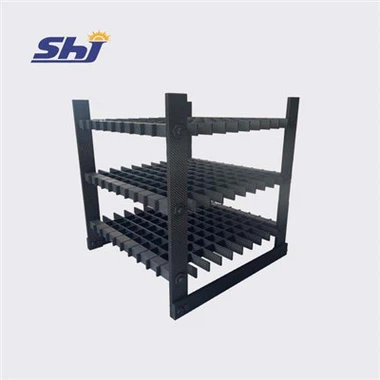
Due to their excellent thermal resistance and dimensional stability, CFC plates are commonly used in heat treatment processes. They serve as furnace fixtures, racks, bearing plates, and custom-shaped protective components. These plates can withstand high temperatures and thermal shock, making them ideal for industrial applications involving metal processing, material testing, and other high-temperature operations.


Carbon-Carbon Composite Parts:
Beyond structural components, CFC plates are used to create various carbon-carbon composite parts, including heating elements, molds, insulative barrels, bolts, nuts, screws, and crucibles. These components are vital for industries where high thermal resistance and precise performance are required, such as in industrial manufacturing processes.
By combining strength, heat resistance, and durability, CFC plates provide a reliable, cost-effective solution for a wide array of high-performance applications across industries.
Windmill Blades and Automotive Applications:
In the renewable energy sector, CFC plates are used in windmill blades for their lightweight and thermal shock-resistant properties. They are also utilized in automotive applications such as brake linings and tooling, where durability under high heat and mechanical stress is required. Their wear resistance and strength under extreme conditions ensure long-lasting performance in automotive systems.

Why Choose Us?
With over 25 years of expertise in graphite and carbon-based materials, we are leaders in material recommendation, reverse engineering, and turnkey project services. Our specialized knowledge in industrial furnace heat field materials, especially in vacuum furnace heat field optimization, ensures we provide tailored, high-performance solutions for complex applications.
-Customer Testimonials & Case Studies:
Our clients rely on us for customized project services and one-stop solutions, from component design and manufacturing to full project implementation. Case studies demonstrate our success in delivering durable, cost-effective materials that enhance operational efficiency across industries like aerospace, energy, and manufacturing.
-After-Sales Support:
We offer end-to-end support, including technical assistance and warranty coverage, ensuring seamless integration of our solutions into your operations. Our commitment to quality and customer satisfaction extends beyond purchase, providing ongoing support to guarantee long-term performance and reliability.
Frequently Asked Questions (FAQ)
1. What is CFC material?
+
-
CFC (Carbon Fiber Composite) is a high-performance material made from carbon fibers reinforced with a polymer matrix (typically epoxy). It offers exceptional strength-to-weight ratio, stiffness, and corrosion resistance, making it ideal for aerospace, automotive, and industrial applications.
2. What is CFC insulation?
+
-
CFC insulation refers to carbon fiber composite materials used for thermal or electrical insulation. Due to their low thermal conductivity and high-temperature resistance, they are commonly used in high-heat environments like aerospace and energy systems.
3. What are carbon fiber plates used for?
+
-
Industrial: Furnace parts, chemical processing equipment
Aerospace/Automotive: Lightweight structural components
Construction: Reinforcements, load-bearing structures
Sports: High-performance gear (bikes, golf clubs, etc.)
4.How do I choose the right size CFC plate for my needs?
+
-
Define the Application
Purpose: Structural, thermal, friction, or other use?
Load Requirements: High stress, vibration, or impact? (For critical applications, twill weave or quasi-isotropic sheets offer superior strength.)
Select Thickness
Strength vs. Weight: Thicker = stronger but heavier. Optimize based on load needs.
Precision Engineering: Ensure stiffness meets design specs without unnecessary bulk.
Surface Finish
Aesthetics: Gloss, matte, or textured for visual appeal.
Functionality: Smooth for bonding, textured for grip or adhesion.
Environmental Conditions
Temperature/Moisture: Standard (120–200°C) or high-temp resins (300°C+).
UV/Chemical Exposure: Specify UV-resistant or corrosion-treated plates for harsh environments.
Special Requirements
Electrical Properties: Conductive or insulating?
Material Compatibility: Adhesion or bonding with other components?
5.What is the maximum temperature CFC plates can withstand?
+
-
Inert Atmosphere (N₂/Ar): Stable above 2000°C, some grades up to 3000°C.
Vacuum: Withstands up to 3600°C.
Oxygen-Rich (Air): Oxidizes at 400–600°C, degrading strength without melting.
Resin Matrix Limit:
Epoxy: 120–200°C
Polyimide: Up to ~300°C
(Mechanical properties decline with rising temperature.)
Hot Tags: CFC plates,carbon carbon plates,carbon carbon composite plates,CFC plate supplier,CFC plate manufacturer, CIP graphite, CIP graphite material, fine carbon, fine grain graphite block, high density graphite, Isostatic Graphite
Send Inquiry




(0/10)
