


Carbon-Carbon Composites C/C Explained: Benfits Manufacturing & Uses
Mar 27, 2025
What Are Carbon-Carbon Composites (C/C)?
Carbon-carbon composites, often referred to as C/C composites, are materials that combine carbon fibers with a carbon matrix to create a lightweight yet strong and durable material. These composites stand out for their ability to maintain strength and structural integrity at extremely high temperatures, often above 2000°C. This makes C/C composites ideal for use in industries that demand heat resistance, such as aerospace, automotive, and manufacturing environments requiring high-temperature stability.

- Customizable for specific shapes and strength requirements.
- Density of 1.65-2.0 g/cm³, one-quarter of steel's weight.
- Strength increases up to 2200°C, ideal for high-heat environments.
- Minimal size change with temperature fluctuations.
- Resistant to high heat and friction, suitable for extreme conditions.
- Withstands rapid temperature changes without cracking.
- Friction coefficient can be adjusted between 0.2 to 0.45.
- Can handle high loads and overloads without melting.
- Wear rate is much lower compared to powder metallurgy materials.
The term carbon-carbon fiber specifically refers to carbon fibers used in C/C composites, where both the reinforcing fibers and the matrix are made of carbon. This combination results in a material that has exceptional heat resistance and high strength.
Carbon fiber composites, on the other hand, can refer to any composite material where carbon fibers are combined with other materials, such as resin or plastic. However, C/C composites are distinct in that both the matrix and fibers are carbon, giving them a unique set of properties.
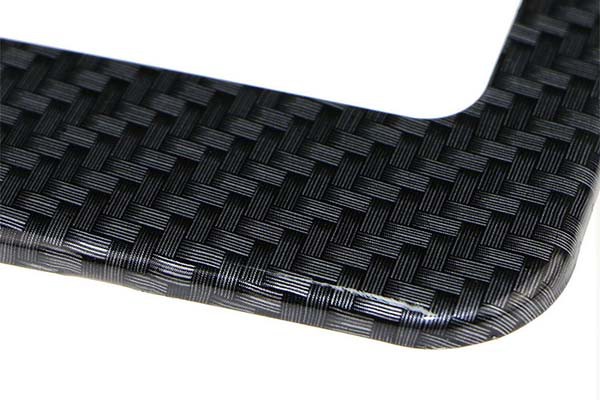
Properties of C/C Composites
As we explore the characteristics of carbon-carbon composites (C/C), it becomes clear why they are preferred in demanding industries such as aerospace, automotive, and high-temperature manufacturing. The combination of lightweight strength, high-temperature stability, low thermal expansion, and outstanding resistance to wear and corrosion makes C/C composites an invaluable material.
lightweight strength
One of the standout features of C/C composites is their impressive strength-to-weight ratio. By incorporating carbon fibers, which are extremely strong yet light, these composites achieve remarkable mechanical properties without the heavy weight of traditional metals like steel or aluminum. This makes C/C composites an ideal choice for applications where reducing weight is crucial without compromising strength, such as in aircraft, spacecraft, and high-performance vehicles.

High Temperature Stability
C/C composites are known for their extraordinary performance at high temperatures. Unlike metals that can lose their structural integrity at extreme heat, carbon-carbon composites can endure temperatures up to 3000°C without degradation. This property is vital for components exposed to high-heat environments, such as rocket engine nozzles, aircraft brake discs, and furnace linings, where the material must not only withstand extreme temperatures but also maintain its strength and stability.
Low Thermal Expansion and High Fatigue Resistance
Another important characteristic of C/C composites is their low thermal expansion. This means they do not expand or contract significantly with temperature changes, which is essential in applications that experience rapid temperature fluctuations. The ability to maintain dimensional stability under heat stress makes C/C composites perfect for parts like turbine blades and heat shields. Additionally, their high fatigue resistance allows them to endure repeated cycles of stress without failing, ensuring long-lasting performance in dynamic environments.
Superior Abrasion and Corrosion Resistance
C/C composites also stand out due to their superior abrasion and corrosion resistance. The carbon matrix combined with carbon fibers offers excellent wear resistance, which is essential in high-friction applications such as brake systems. Unlike metals, carbon-based materials do not rust or corrode, making them ideal for use in harsh environments, whether exposed to high temperatures, chemicals, or moisture. This durability allows C/C composites to last longer and perform reliably in demanding applications.
Type of Carbon-carbon composites Production method
1. Chemical Vapor Deposition (CVD) Method
Chemical vapor deposition (CVD) is a process that deposits carbon directly into the pores of a preform to achieve densification and fill voids. The deposited carbon tends to graphitize easily and has good physical compatibility with the fibers. Unlike impregnation methods, CVD does not result in shrinkage during re-carbonization, which enhances the material's mechanical properties. However, during the CVD process, if carbon deposits on the surface of the preform, it can hinder the diffusion of gases into internal pores. To address this, mechanical methods are used to remove the surface-deposited carbon before applying a new round of deposition. For thick products, the CVD method can be challenging and also requires longer processing times.
2. Liquid Phase Infiltration and Carbonization Method
The liquid phase infiltration method is relatively simple in terms of equipment and is widely applicable, making it an important method for producing C/C composites. In this process, carbon fiber preforms are immersed in a liquid resin or infiltrant, which is then pressurized to ensure the infiltrant fully permeates the preform's pores. After infiltration, a series of processes, including curing, carbonization, and graphitization, are performed to achieve the final C/C composite. The drawback of this method is that it requires multiple cycles of infiltration and carbonization to achieve the desired density.
The composition and structure of the infiltrant are crucial in determining the efficiency of densification and the final material's mechanical and physical properties. Improving the carbonization yield of the infiltrant and reducing its viscosity are key challenges in the liquid phase infiltration method. The high viscosity and low carbonization yield of the infiltrant are significant factors contributing to the high cost of C/C composites. Enhancing the performance of the infiltrant can improve production efficiency, reduce costs, and enhance the overall properties of C/C composites.
The Process of C/C Carbon-Carbon Composites Manufacturing
The manufacturing process of carbon-carbon composites (C/C) involves several key steps that ensure the material achieves its exceptional properties, such as high strength, thermal stability, and durability. This process begins with the production of carbon fibers and culminates in the formation of a composite that can withstand extreme environments.
1. Carbon Fiber Production
The first step in creating C/C composites is the production of carbon fibers. Carbon fibers are typically made from a precursor material, such as polyacrylonitrile (PAN). The fibers undergo a series of processes, including heating at high temperatures (pyrolysis) in an oxygen-free environment, to convert them into carbon. The resulting fibers are extremely strong and lightweight, forming the foundation for the composite material.
2. Resin Impregnation
After the carbon fibers are produced, they are arranged into a specific form, often woven or aligned, and impregnated with a resin. This resin, typically a liquid organic compound, helps bind the fibers together and creates a matrix that will later be carbonized. The impregnation process is crucial for ensuring that the carbon fibers are evenly coated and properly bonded within the matrix, setting the stage for further densification.
3. Carbonization
The resin-impregnated carbon fiber preform undergoes a high-temperature carbonization process. During this step, the preform is heated in a furnace at temperatures ranging from 1000°C to 3000°C in the absence of oxygen. The heat causes the resin to break down, leaving behind a carbon-based matrix that bonds with the fibers. This process further enhances the material's strength, thermal conductivity, and overall durability. Carbonization is essential for transforming the resin and fiber mixture into a solid carbon-carbon composite.
4. Matrix Formation
Once the carbon fibers and matrix are fully carbonized, the material needs to be densified. This is achieved by adding additional carbon material to the matrix and reapplying heat, allowing more carbon to fill in the spaces between the fibers. The matrix formation step improves the overall structural integrity of the composite, making it more resistant to wear, thermal shock, and damage from high temperatures.
5. High-Temperature Treatment
At this stage, the C/C composite undergoes additional high-temperature treatment to further improve its properties. This heat treatment process helps to densify the material and increase its mechanical strength. The composite is exposed to temperatures of up to 3000°C, depending on the desired properties for specific applications. The high temperature not only strengthens the material but also enhances its ability to maintain performance under extreme heat.
6. Anti-Oxidation Treatment
Since carbon-carbon composites are vulnerable to oxidation at high temperatures (especially in oxygen-rich environments), an anti-oxidation treatment is essential for increasing their durability. This treatment usually involves applying a protective coating or modifying the surface of the composite to prevent oxidation. The anti-oxidation process extends the lifespan of C/C composites by ensuring that they can maintain their strength and performance even in environments with high temperatures and exposure to oxygen.
7. Final Processing
After the composite has undergone all necessary treatments, it is then subjected to final processing. This includes machining, shaping, and polishing to meet the specific requirements of the end application. The C/C composite can be cut, drilled, and formed into complex shapes, making it versatile for use in industries such as aerospace, automotive, and industrial manufacturing.
Through this detailed manufacturing process, carbon-carbon composites are created with enhanced properties, such as high thermal resistance, low thermal expansion, and outstanding wear resistance. These characteristics make C/C composites ideal for high-performance applications where durability and heat resistance are critical.
Applications of Carbon-Carbon Composites
Carbon-carbon composites (C/C) are renowned for their exceptional properties, including high-temperature resistance, strength, and durability. These qualities make them ideal for a variety of demanding applications across multiple industries, including aerospace, automotive, and industrial sectors. Let's explore how C/C composites are used in these fields.
In Aerospace: From Rocket Nozzles to Space Station Components
In the aerospace industry, C/C composites are essential due to their ability to withstand extreme temperatures and mechanical stress. One of the primary applications is in rocket nozzles, where the material must endure temperatures as high as 3000°C while maintaining strength and shape integrity. The ability of C/C composites to resist thermal degradation and maintain their properties under intense heat makes them perfect for use in spacecraft components, such as heat shields, thruster nozzles, and parts of the space station. These materials help reduce the weight of the structure while ensuring the performance and safety of critical components in space exploration.
In Automotive: Brake Systems and Engine Components
C/C composites have made a significant impact in the automotive industry, particularly in the development of brake systems for high-performance vehicles. The material's ability to resist wear and handle high temperatures makes it perfect for carbon-carbon brake discs, which are used in race cars, luxury vehicles, and even some commercial aircraft. These brake discs offer enhanced performance, longer lifespan, and reduced weight compared to traditional metal brakes. Additionally, C/C composites are used in engine components, such as pistons and cylinder liners, where high-temperature resistance and lightweight properties help improve overall engine efficiency and performance.
In Industrial Sectors: Furnace Linings, Heat Shields, and High-Temperature Applications
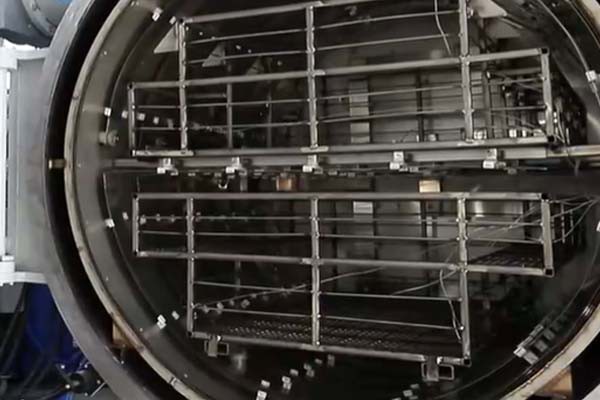
In industrial sectors, C/C composites play a crucial role in environments exposed to high heat and thermal stress. These materials are commonly used in furnace linings and heat shields, where their ability to withstand extreme temperatures and resist thermal shock is essential. C/C composites are also used in high-temperature applications such as casting, forging, and metal processing, where materials need to endure thermal cycling and thermal expansion without failing. Their high strength-to-weight ratio and durability in such harsh environments make them indispensable in industries like steel manufacturing, semiconductor production, and chemical processing.
Through their wide range of applications, carbon-carbon composites demonstrate their versatility and importance in fields that require materials with exceptional thermal and mechanical properties. Whether in space exploration, high-performance vehicles, or industrial manufacturing, C/C composites continue to drive innovation and efficiency in critical industries.
Conclusion
In conclusion, carbon-carbon composites (C/C) offer a remarkable combination of strength, durability, and high-temperature resistance, making them indispensable in industries such as aerospace, automotive, and high-temperature manufacturing. Whether you need materials for rocket nozzles, brake systems, or furnace linings, C/C composites provide exceptional performance that meets the demands of the most challenging applications.
At SHJ, we specialize in helping customers choose the right carbon-carbon composite materials for their specific needs. Our team of skilled engineers is well-equipped to provide operational solutions, particularly for high-precision applications such as single crystal silicon furnaces, polycrystalline silicon growth furnaces, and hydrogenation furnace vacuum quenching systems. With our extensive experience in these areas, we offer expert guidance on material selection, design, and implementation to ensure the highest quality and performance.
If you're looking for reliable and high-performance C/C composite materials, don't hesitate to contact us. SHJ's technical engineers are ready to provide you with actionable, customized technical solutions that meet your unique requirements.


