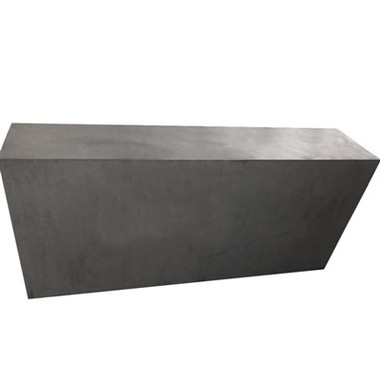
Specialty graphites,Carbon Felt & CFC Solutions for the Glass Industry
Aug 25, 2025
Introduction
The glass industry is a highly dynamic and diverse field, requiring specialized materials that can meet the unique demands of different production processes. Whether it's container glass, float glass, or specialty glass, each stage of production benefits from the use of high-performance materials that ensure precision, efficiency, and durability.
At SHJ Carbon, we've been providing tailored material solutions to the glass industry for over 25 years, specializing in specialty graphites, carbon felt, and carbon-carbon composites (CFC). These advanced materials are essential for optimizing various components in the glass manufacturing process, from electrodes to molds, sealing components, and more. This article will explore the applications of these materials in key areas of the glass industry, illustrating how SHJ Carbon's expertise helps manufacturers improve both the quality and cost-effectiveness of their production processes.

Key Material Characteristics in Glass Manufacturing
In glass manufacturing, materials must endure extreme thermal and chemical conditions. SHJ Carbon's specialty graphites and carbon solutions are designed to meet these challenges:
- High heat and thermal shock resistance
Stable performance under extreme temperatures and rapid heating–cooling cycles.
- Clean production with minimal carbon dust
Prevents contamination of glass surfaces, ensuring optical clarity and product quality.
- Strong mechanical and chemical stability
Maintains strength under load and resists degradation from molten glass and furnace atmospheres.
- Excellent corrosion resistance
Withstands aggressive chemical attack, extending component service life.
- Low oxidation tendency
Slows performance loss in high-temperature oxygen environments, reducing maintenance costs.
Graphite and Carbon Solutions for the Glass Industry
Our graphite solutions, including isostatic graphite and extruded graphite, along with carbon and C/C composites, are specifically designed to meet the demanding requirements of container glass, float glass, and specialty glass manufacturing. Whether you are looking for efficiency, performance, or cost-effectiveness, our materials are engineered to optimize every aspect of the glass production process.
The following table illustrates the specific graphite and carbon-based materials that SHJ Carbon offers, and how they are used across key components in the glass manufacturing process. Each material has been carefully selected to enhance performance, increase longevity, and reduce maintenance costs. Let's explore how these materials integrate into your glass production systems:

|
Components |
Graphite (Isostatic) |
Graphite (Extruded) |
Carbon Felt |
C/C |
|
Conveyor Channels |
✓ |
✓ |
✓ |
✓ |
|
Gob Conveyor Channels |
✓ |
✓ |
✓ |
✓ |
|
Blow Molds |
✓ |
✓ |
✓ |
|
|
Grippers |
✓ |
✓ |
✓ |
|
|
Guide Rails |
✓ |
✓ |
✓ |
✓ |
|
Sliders |
✓ |
✓ |
✓ |
✓ |
|
Contact Elements |
✓ |
✓ |
✓ |
✓ |
|
Ejector Arms |
✓ |
✓ |
✓ |
|
|
Distributors |
✓ |
✓ |
✓ |
✓ |
|
Slide Triangles |
✓ |
✓ |
✓ |
|
|
Setdown Plates |
✓ |
✓ |
✓ |
✓ |
Why Choose Graphite Solutions for Glass Manufacturing?
As the table above illustrates, the choice between isostatic graphite, extruded graphite, carbon felt, and C/C composites depends on the specific needs of each component in the glass production process. Understanding the distinct benefits of each material helps optimize the performance and cost-effectiveness of your production line. Let's explore each material in detail to understand when and why to choose them for your glass manufacturing needs.
I. Specialty Graphites in the Glass Industry:
Specialty graphites are at the heart of many essential components used in glass production. Known for their excellent thermal conductivity, electrical conductivity, and corrosion resistance, specialty graphites are ideal for high-temperature environments. Whether in container glass, float glass, or specialty glass production, these materials ensure precision, durability, and energy efficiency.
Applications in Container Glass Manufacture
Container glass production involves high-volume processes where precision and consistency are paramount. SHJ Carbon's specialty graphites are used in critical components that require both thermal stability and dimensional accuracy.
|
Component |
Graphite Material Used |
Key Benefits |
|
Electrodes |
Graphite Electrodes |
Provides efficient heat generation and precise control in electric furnaces. |
|
Molds |
Graphite Molds |
Ensures smooth surface finishes, low thermal expansion, and dimensional stability. |
|
Gob Transport Systems |
Carbon Fenders, Graphite Rings |
Resists corrosion, prevents damage from molten glass, and improves system durability. |
Specialty graphites in electrodes help maintain stable furnace temperatures, ensuring that molten glass is heated efficiently and evenly. Graphite molds are crucial in shaping products like bottles and jars, preventing glass adhesion and ensuring high-quality outputs.
Applications in Float Glass Production
In float glass production, specialty graphites play an important role in ensuring the smooth movement and precision of molten glass in tin baths, as well as in the forming and cooling processes.
|
Component |
Graphite Material Used |
Key Benefits |
|
Graphite Fenders |
Graphite |
Guides molten glass while resisting corrosion and maintaining structural integrity. |
|
Graphite Rings |
Graphite |
Maintains temperature uniformity in float glass tin baths, enhancing production efficiency. |
|
Graphite Lining |
Graphite |
Protects surfaces from corrosive molten tin and glass, extending the lifespan of equipment. |
Graphite fenders and rings ensure smooth and controlled glass flow, essential for producing large flat glass panels with consistent thickness.
Applications in Specialty Glass Production
Specialty glass production, such as optical glass and aerospace glass, requires extreme precision and purity. Specialty graphites are used in molds and other components where accuracy and high-performance are critical.
|
Component |
Graphite Material Used |
Key Benefits |
|
Precision Molds |
Graphite Molds |
Provides smooth surfaces, dimensional stability, and high precision in molding intricate designs. |
|
Electrodes |
Graphite Electrodes |
High conductivity, superior thermal resistance for precise melting and shaping of specialty glass. |
|
Heat Regulation |
Graphite Plates |
Ensures uniform temperature distribution, preventing defects like cracks or uneven thickness. |
In specialty glass production, where every detail matters, specialty graphite components guarantee high performance and consistent quality.
II. Carbon Felt : Energy Efficiency and Insulation in Glass Production
Carbon felt is another critical material used in the glass industry. This porous, flexible material offers excellent thermal insulation, making it ideal for energy-saving applications in various high-temperature glass production processes.
Applications in Container Glass Production
In container glass manufacture, carbon felt is mainly used for furnace insulation and temperature regulation.
|
Component |
Carbon Felt Material Used |
Key Benefits |
|
Melting Furnace Insulation |
Carbon Felt |
Reduces heat loss by over 30%, improving energy efficiency in melting furnaces. |
|
Annealing Lehr Insulation |
Graphite Felt |
Flexible, energy-efficient insulation that adapts to furnace expansion. |
|
Sealing Components |
Carbon Felt |
Provides sealing for furnace doors and components, with excellent heat resistance. |
In container glass production, carbon felt helps to minimize energy consumption while maintaining precise temperature control.
Applications in Float Glass Production
Float glass production requires constant thermal management. Carbon felt plays a role in maintaining furnace temperatures and enhancing energy efficiency.
|
Component |
Carbon Felt Material Used |
Key Benefits |
|
Tin Bath Furnace Insulation |
Carbon Felt |
Reduces energy costs by insulating furnaces and improving thermal retention. |
|
Sealing Strips for Furnace Doors |
Carbon Felt |
Prevents heat leakage, ensuring a consistent temperature inside the furnace. |
|
Temperature Buffering |
Carbon Felt |
Helps to maintain consistent temperature in float glass production, reducing defects. |
Carbon felt ensures that float glass is produced with consistent thickness and quality, minimizing defects caused by thermal fluctuations.
Applications in Specialty Glass Production
In specialty glass production, carbon felt is used in insulation and buffering components to maintain optimal glass forming conditions.
|
Component |
Carbon Felt Material Used |
Key Benefits |
|
Furnace Insulation |
Graphite Felt |
Protects furnaces from heat loss while maintaining precise thermal control. |
|
Mold Insulation |
Carbon Felt |
Provides energy-efficient insulation, reducing energy consumption and preventing glass cracking. |
III. Carbon-Carbon Composites (C/C): Ultra-High Temperature Solutions
Carbon-carbon composites (C/C) offer unmatched performance in the most demanding glass production environments. With their ultra-high temperature stability, low thermal expansion, and exceptional strength, C/C composites are essential for high-precision molding and structural applications in specialty glass production.
Applications in Container Glass Production
C/C composites are used for structural parts in container glass production, such as support beams and rollers, which are exposed to high temperatures and mechanical stress.
|
Component |
Key Benefits |
|
Support Beams |
High strength, corrosion resistance, excellent thermal stability. |
|
Stirring Shafts |
Long-lasting durability under high-temperature and high-stress conditions. |
Applications in Float Glass Production
In float glass production, C/C composites are used for high-temperature structural components and conveyor systems to improve the glass forming process.
|
Component |
Key Benefits |
|
Guide Rollers |
High strength, corrosion resistance, and low thermal expansion for precise glass shaping. |
|
Structural Parts in Tin Baths |
Resists molten tin corrosion and maintains dimensional accuracy. |

Applications in Specialty Glass Production
C/C composites are particularly important in specialty glass production, where extreme temperature and precision are critical for producing laser glass, aerospace glass, and high-end optical glass.
|
Component |
Key Benefits |
|
Furnace Components |
High stability at extreme temperatures, ensuring precision and purity. |
|
High-Precision Molds |
Maintains dimensional accuracy and smooth surface finishes during high-temperature operations. |
Conclusion:
With over 25 years of experience providing advanced materials solutions, SHJ Carbon has become a trusted partner for glass manufacturers worldwide. Our specialty graphites, carbon felt, and C/C composites are designed to meet the unique demands of container glass, float glass, and specialty glass production.
Our deep understanding of the glass production process allows us to provide tailored solutions that optimize efficiency, reduce energy consumption, and enhance the precision and durability of your production systems. To learn more about how SHJ Carbon can help improve your glass manufacturing processes with specialty graphite solutions, contact us today.