


How to Choose the Right Carbon Felt: A Practical Guide
Sep 09, 2025
Introduction
If you're searching for reliable insulation materials for high-temperature industrial equipment, you've likely come across carbon felt. With prices ranging from $10 to $350 per square meter and technical terms that can be confusing, selecting the right material might feel overwhelming. At SHJ CARBON, we've helped numerous professionals navigate these choices, and we've created this straightforward guide to simplify your decision-making process.
Why Carbon Felt Stands Out for Thermal Management
Carbon felt delivers unique properties that make it indispensable across industries. Its low thermal conductivity ensures minimal heat transfer, significantly reducing energy consumption in high-temperature operations. The material maintains excellent thermal stability even at temperatures exceeding 2000°C in inert atmospheres, outperforming many conventional insulation options.
Manufacturers value carbon felt for its exceptional thermal shock resistance, allowing it to withstand rapid temperature changes without cracking or degrading. Its low heat storage capacity means furnaces reach operating temperatures faster and cool down more quickly, improving production cycle times. These characteristics make it particularly valuable for vacuum furnaces, where consistent performance and quick turnaround are essential for manufacturing efficiency.
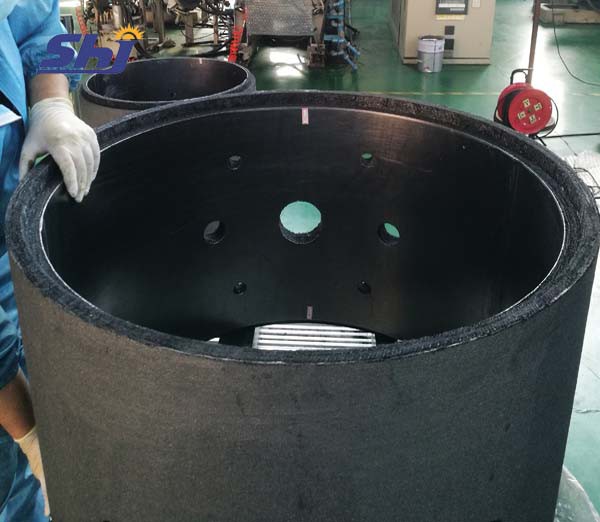
Understanding Carbon Felt Classification: Soft vs. Rigid
Let's start with the basic distinction that will guide your selection: soft versus rigid carbon felt. This fundamental classification determines how you'll handle and install the material in your specific application.
Soft Carbon Felt: Flexibility and Adaptability

Soft carbon felt offers exceptional flexibility, making it ideal for applications requiring conformability to complex shapes. Its pliable nature allows for easy cutting and shaping during installation, significantly reducing installation time and complexity. Common applications include:
- Pipe insulation systems requiring tight wrapping
- Vacuum furnace insulation layers
- Temporary thermal barriers needing frequent modification
- Irregular surfaces and complex geometries
The material's inherent flexibility makes it perfect for maintenance teams who need regular access to equipment or situations where precise fitting is crucial.
Rigid Carbon Felt: Stability and Durability

Rigid carbon felt undergoes additional processing that enhances its structural integrity while maintaining excellent thermal properties. This variant provides superior dimensional stability and mechanical strength, making it suitable for permanent installations.
Industries typically choose rigid felt for:
- Fixed furnace linings and permanent installations
- High-stress thermal environments requiring structural support
- Applications where minimal particle shedding is critical
- Long-term operations with limited maintenance access
The enhanced durability of rigid felt ensures consistent performance over extended periods, even under continuous operational stress.
Material Composition: PAN-Based vs. Rayon-Based Carbon Felt
Once you've determined whether soft or rigid felt suits your application, the next consideration is material composition. The base material significantly influences performance characteristics and suitability for specific environments.
PAN-Based Carbon Felt: The Industrial Workhorse
Polyacrylonitrile (PAN)-based carbon felt delivers reliable performance for most industrial applications. Manufacturers create this material through controlled carbonization of PAN fibers, resulting in a product that offers an excellent balance of thermal resistance and mechanical durability.
Key advantages include:
- Cost-effective performance for general applications
- Good thermal resistance up to 1600°C
- Robust mechanical properties suitable for various environments
- Wide availability and proven track record in industrial settings
This material serves effectively in heat treatment furnaces, sintering operations, and general manufacturing processes where extreme purity isn't the primary concern.

Rayon-Based Carbon Felt: Premium Performance for Demanding Applications
Rayon-based carbon felt undergoes a specialized manufacturing process that yields higher purity levels and enhanced thermal properties. The production method eliminates more impurities, resulting in lower ash content and superior performance in sensitive environments.
Choose rayon-based felt for:
- Semiconductor manufacturing processes
- Solar crystal growth systems requiring ultra-clean environments
- Advanced energy applications where purity affects performance
- Research and development facilities needing consistent results
While more expensive than PAN-based options, rayon-based felt provides critical advantages where even minimal contamination could compromise results or product quality.

Carbon Felt vs. Graphite Felt:
Now that we've covered the basic types of carbon felt, let's address a common point of confusion: the difference between carbon felt and graphite felt. While they share some similarities, their distinct characteristics make them suitable for different applications.
Thermal Performance and Temperature Resistance
Carbon felt typically serves applications below 1600°C, providing reliable insulation for most industrial processes. Its structure, while stable, hasn't undergone the complete graphitization process that characterizes its counterpart.
Graphite felt experiences additional high-temperature treatment exceeding 2200°C, transforming its molecular structure into crystalline graphite. This process enhances its thermal stability, making it suitable for ultra-high temperature environments exceeding 2000°C.
Electrical Conductivity and Purity Considerations
Graphite felt offers significantly better electrical conductivity than standard carbon felt, making it preferable for applications requiring electrical properties alongside thermal insulation. This characteristic makes it valuable in fuel cell technology and certain energy applications.
The graphitization process also results in higher purity levels, with reduced ash content and minimal volatile components. This enhanced purity makes graphite felt essential for semiconductor manufacturing and other applications where material contamination could cause significant issues.
Cost and Application Considerations
While graphite felt provides superior performance in extreme conditions, it comes at a higher cost due to the additional processing required. Carbon felt remains the more economical choice for applications where its temperature range and properties meet operational requirements.
Understanding this distinction helps you avoid overspending on capabilities you don't need while ensuring you don't compromise performance in demanding applications.
Making the Right Choice for Your Specific Needs
Selecting the appropriate carbon felt involves considering multiple factors that affect both performance and cost. Here's a practical approach to making your decision:
First, evaluate your temperature requirements. Applications below 1600°C typically work well with standard carbon felt, while higher temperatures may require graphite felt. Consider both operating temperatures and potential thermal cycling conditions.
Next, assess your environmental conditions. Determine whether your application involves corrosive atmospheres, chemical exposure, or mechanical stresses that might require specific material properties or treatments.
Consider your operational patterns. Frequent thermal cycling or regular maintenance requirements might favor different materials than continuous operation with minimal intervention.
Finally, balance performance needs with budget constraints. While premium materials offer enhanced capabilities, ensure you're not over-specifying for your actual requirements. Sometimes standard materials provide perfectly adequate performance at a more reasonable cost.
Why Professional Guidance Matters
Choosing carbon felt involves technical considerations that benefit from expert advice. At SHJ CARBON, we recommend consulting with experienced suppliers who can provide insights based on practical experience with similar applications.
We typically suggest requesting samples for testing under your specific operating conditions. Real-world performance testing often reveals nuances that specifications alone cannot communicate.

Remember that proper installation significantly affects material performance. Even the best carbon felt won't perform optimally if installed incorrectly. Follow manufacturer guidelines carefully and consider professional installation for critical applications.
Conclusion: Finding Your Perfect Match
Choosing the right carbon felt requires understanding your operational needs and matching them with the right material properties. Begin by determining whether soft or rigid felt best suits your installation requirements. Then consider whether PAN-based or rayon-based materials meet your purity specifications.
Finally, evaluate if your temperature and performance demands require graphite felt or if standard carbon felt will effectively serve your purposes.
By recognizing these fundamental differences and considering your specific application needs, you can make an informed decision that balances performance, durability, and cost-efficiency. The right choice will deliver reliable thermal management, energy savings, and long-term value for your operations.
Experience the SHJ CARBON Difference Today
Request your complimentary sample kit to test our materials in your specific application environment. Our technical specialists will provide personalized recommendations based on your operational requirements and budget considerations.
Contact us now to schedule a free consultation and discover how our carbon felt solutions can optimize your thermal management performance while reducing operational costs.


